
Crafted by Mountain Hands: Timber Frames and Stone Without Mortar
Journey into traditional timber framing and dry-stone masonry that shaped Alpine villages, from sun-silvered larch beams locked with tapered pegs to interlaced stones that shed water and frost. We’ll explore techniques, tools, lore, and practical steps for building, restoring, and appreciating this resilient mountain craft.

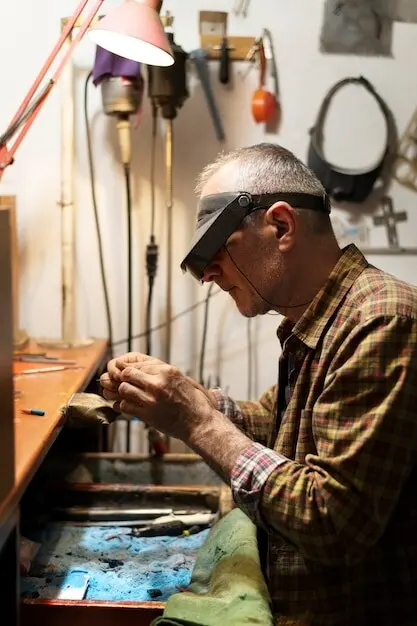
Joinery that breathes with the mountains
Mortise-and-tenon frames, scarfed sills, and knee braces create elastic skeletons that sway, settle, and keep standing when snowpacks creep and winds scrape ridgelines. We unpack scribe versus square rule, wood species choices, seasoning, and the quiet logic guiding every pin, shoulder, and housing.
Stones that lock by weight and patience
Dry-stone walls rely on gravity, geometry, and touch. Faces batter inward, bedding sheds water, and hearting avoids voids that freeze and explode. Through-stones stitch wythes, while copes guard the top, making barn plinths, terraces, and byres endure astonishing winters.
Selecting and dressing local rock
Builders read the mountain, matching schist, gneiss, or limestone to position and duty. Split along bedding planes, spin to present strongest arris, and never polish bearing faces. A modest hammer and patience transform rough spoil into stable, beautiful masonry.
Batter, bonding, and water paths
A gentle inward lean resists bulging, while broken bonds weave strength across the face. Every stone tilts slightly to eject water outward, protecting hearting. Where springs emerge, deliberate gaps create tiny drains, relieving pressure during freeze, thaw, and cloudburst surges.
Through-stones and coping for longevity
Long binders reach from face to face, locking wythe layers into a single body. At the crown, heavy copes overhang, weighting everything together and shielding joints from wind-driven meltwater, so livestock rub, children climb, and seasons pass without collapse.
Mountain climate and structural resilience
High-altitude weather punishes details: snow loads drift unevenly, winds funnel through saddles, and freeze–thaw expands tiny mistakes into failures. Traditional carpentry and stonework answer with steep roofs, generous eaves, flexible joinery, and forgiving drainage, balancing loads gently into rock and earth.
Snow, wind, and sliding roofs
Pitch and slick shingles help snow leave before weight crushes purlins, yet guardrails, snow stoppers, and galleries keep avalanches from scouring entries. Ventilated cavities dry meltwater vapor, while purlin spacing and knee braces counter gusts sweeping across exposed ridgelines.
Foundations that outlast frost and melt
Stone plinths lift sill beams above splash and drifting snow. Drainage layers under footings break capillarity, and perimeter drains lead meltwater away. By avoiding rigid, continuous concrete, frames settle harmlessly, while dry walls can be re-laid after movements or minor slides.

Lives woven into beams and stones
Across valleys, families added a bay for each generation, pegging new ties at midwinter when sap slept. Shepherds hauled keystones in sledges, and children tucked pebbles into crevices for luck. Buildings hold initials, prayers, and cracks mended after hard seasons.
Envelopes that breathe and perform
Wood fiber, lime plasters, and ventilated facades manage moisture while maintaining low U-values. Smart membranes allow seasonal drying, and careful continuity at sills protects frames. The result is warm, quiet interiors that never trap damp against precious historic fabric.
Details that disappear but endure
Where codes demand anchors, choose concealed knife plates or screws tucked within housings, isolated from wet stone. Flashings vanish beneath shingles, drips shadow joints, and open joints breathe. Durability follows restraint, not spectacle, and the eye reads timber and rock.
Paperwork that honors craft
Photograph markings, note joint types, and specify reversible interventions. Reference local precedents, snow maps, and conservation charters when presenting to officials. Clear drawings and respectful language win allies, ensuring inspections support quality rather than force inappropriate, brittle substitutions.
Designing today with yesterday’s wisdom
Contemporary builders can satisfy energy codes while honoring breathability and repairability. Vapor-open layers, robust airsealing, and careful thermal bridges preserve timber and stone. Hidden steel needs protection; lime mortars must dry. With humility, modern comforts align with ancient, climate-savvy practice.
Stewardship, maintenance, and gentle upgrades
Probe sills where splashback strikes, trace brown stains to failing flashings, and listen for hollow sounds in decking. Replace only what is failed, with matched species and joints. Document everything, so future hands understand intentions and can continue the conversation.
Remove loose face stones methodically, rebuild courses with proper batter, and tie wythes using new binders. Avoid hard mortars that trap moisture; let the wall move and dry. Cap with sound copes, then monitor with simple plumb lines through seasons.
Add floor insulation from below, keeping beams visible. Use secondary glazing set back within deep reveals, and fit wool or hemp between studs rather than foams. Stoves burn clean, chimneys draw safely, and fresh air arrives quietly through sheltered intakes.
Learn, share, and step into the craft
We invite you to walk old lanes, sketch joints in quiet chapels, and watch walls grow stone by stone. Share photos, questions, and memories from your valley. Subscribe for field notes, tool lists, and routes to builders willing to teach.
Share your workshop notes and photos
Post images of joints, wall faces, and tricky repairs, and describe what worked, what failed, and why. Your observations help others avoid hidden traps, spark better questions, and celebrate small victories that keep heritage alive across many valleys and languages.
Questions we will explore together
Ask about species choice, peg sizes, drainage layers, or layout tricks. We will gather insights from practicing carpenters and wallers, compare regional habits, and test details in sketches, building a shared library that grows wiser with each contribution.